
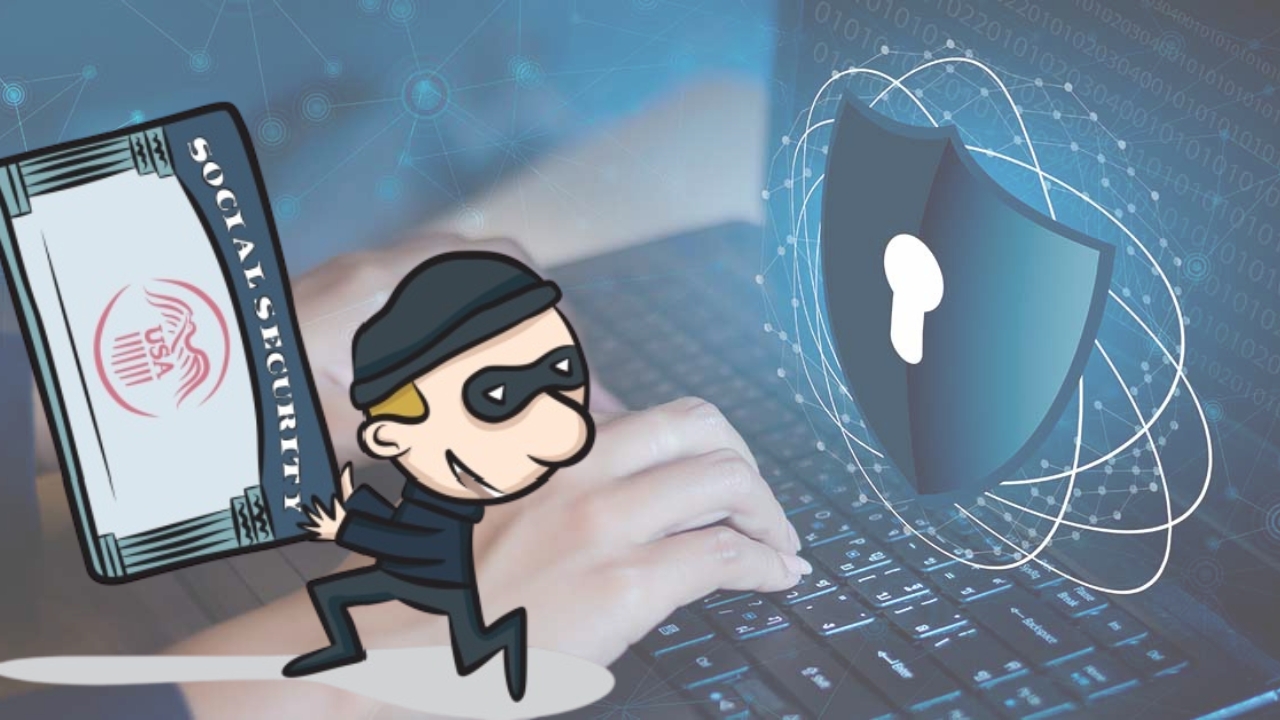
The phone rings just as you’re sorting bills or checking your mail. A stern voice says it’s from the Social Security Administration or Veterans Affairs, claiming you owe money, and fast. If you don’t pay, they warn, your benefits could be frozen or worse, you might face legal trouble. It sounds terrifyingly real. That’s exactly what scammers are counting on.
Over the past several months, reports of fraud targeting Social Security and VA beneficiaries have surged. Scammers are deploying fake overpayment notices, spoofed government numbers, and realistic-looking emails to trick victims into handing over money or personal data.
“These aren’t clumsy scams anymore,” said Michael Carter, cybersecurity analyst at the National Fraud Prevention Center. “They’re using AI, high-quality forgeries, and emotional pressure to create what looks like legitimate communication from federal agencies.”
Let’s break down how these scams work, what to watch for, and how you can protect yourself and your benefits.
The New Wave of SSA and VA Scams
Fraud experts from the Consumer Sentinel Network and VA Office of Inspector General (OIG) report a spike in scams involving “overpayment” notices. These letters or calls claim that the VA or SSA sent you too much money and now needs immediate repayment.
The Twist
Scammers demand payment through:
- Gift cards
- Wire transfers
- Prepaid debit cards
- Cryptocurrency
None of these payment methods are ever used by government agencies.
Similarly, SSA-related scams often involve calls or emails saying:
- Your Social Security number has been compromised
- You missed a deadline or your benefits will be suspended
- You must verify your personal information immediately
The SSA Office of Inspector General (OIG) confirms that reports of these threats, especially those involving “legal action” or “account suspension”, are increasing sharply.
Common Red Flags in SSA and VA Scams
VA Scam Warning Signs
- Letters claiming “you owe repayment” for an “overpayment”
- Fake VA seals or letterheads
- Requests for passwords, SSNs, or bank logins
- Crypto or gift card payment demands
- Spoofed caller IDs mimicking VA hotlines
SSA Scam Warning Signs
- Calls saying your Social Security number is suspended
- Threats of arrest or benefit termination
- Pressure to act immediately
- Emails with suspicious links or attachments
- Files labeled as “statements” that are actually malware
“Scammers count on people being too afraid to double-check,” said Angela Morris, Senior Fraud Investigator with the Social Security Advisory Group. “Their main weapon isn’t technology,it’s panic.”
How Scammers Operate?
| Tactic | Explanation |
|---|---|
| Fear and urgency | They threaten arrests or benefit loss to create panic. |
| Official mimicry | They copy real SSA and VA language and logos. |
| Caller ID spoofing | They make it look like the call is coming from a real agency number. |
| Data seasoning | They mix real personal info with lies to appear legitimate. |
Scammers study government correspondence and psychology alike. The goal: create just enough realism to make you hesitate before questioning them.
Why These Scams Work?
The scams feel plausible because real SSA and VA overpayment letters do exist. Bureaucratic language, official seals, and vague explanations make many people doubt their own instincts.
“It’s not about being gullible,” explained Dr. Linda Reynolds, behavioral economist at the Center for Consumer Protection. “It’s about the emotional timing. Fear and confusion override critical thinking,especially when benefits are at stake.”
Seniors, veterans, and people with disabilities are prime targets, not because they’re careless, but because they depend on these benefits, and scammers know it.
Legitimate vs. Fraudulent Behavior
| Scenario | What Legitimate Agencies Do | What Scammers Do |
|---|---|---|
| Payment Requests | Send official letters with multiple payment options | Demand instant payment via gift cards, crypto, or wire |
| Communication | Use formal mail or secure .gov portals | Call or email unexpectedly with threats |
| Personal Data | Never ask for SSNs or passwords over the phone | Request personal info to “verify your account” |
| Technology | Use official .gov websites | Use lookalike domains or malware attachments |
| Tone | Calm, professional, patient | Urgent, intimidating, and aggressive |
If in doubt, hang up immediately and contact the agency directly through numbers listed on USA.gov. Never call back using a number printed on the suspicious letter or email.
How to Defend Yourself: A Step-by-Step Checklist?
Step 1: Verify Every Unexpected Claim
- Log in to your SSA mySocialSecurity or VA.gov account.
- Use official .gov phone numbers only.
- Confirm debts or benefits changes through secure portals.
Step 2: Never Pay in Unusual Ways
Legitimate agencies never accept:
- Gift cards
- Cryptocurrency
- Prepaid debit cards
- Wire transfers
Step 3: Hang Up on Suspicious Calls
You don’t owe scammers politeness. If a call feels threatening, end it.
Step 4: Protect Your Digital Space
- Avoid clicking unknown email links or attachments.
- Enable multi-factor authentication on SSA.gov and VA.gov.
- Keep your devices updated and use strong passwords.
Step 5: Report Fraud Immediately
Report scam attempts directly to:
- SSA OIG: https://oig.ssa.gov/report
- VA OIG: https://www.va.gov/oig/hotline.asp
“These reports don’t just protect you, they help stop fraud networks nationwide,” said James Ortega, cybersecurity researcher at Stanford University.
Why Awareness Is the Best Defense?
If there’s one universal rule, it’s this: real agencies don’t rush or threaten you. Scammers thrive on urgency. Federal workers don’t.
“Taking ten seconds to double-check can save you thousands,” said Dr. Helen Reed, professor of information security. “When you pause, you take back control.”
Remaining skeptical of unsolicited calls or messages isn’t paranoia, it’s smart financial hygiene.
Frequently Asked Questions (FAQs)
Can the SSA suspend my Social Security number?
No. The SSA never suspends or deactivates SSNs. Any claim that it can is a scam.
Does the VA ever call unexpectedly?
While the VA may call, it will never demand immediate payment or personal data during the call.
How can I confirm whether a debt letter is real?
Log into your VA.gov or SSA.gov account or call official numbers on USA.gov—never numbers listed on the suspicious letter.
Are emails from “ssa.gov-security.com” legitimate?
No. Only addresses ending in .gov are official. Anything else is fraudulent.
What should I do if I already paid a scammer?
Contact your bank or card issuer immediately, file a report with SSA OIG or VA OIG, and monitor your credit closely.