
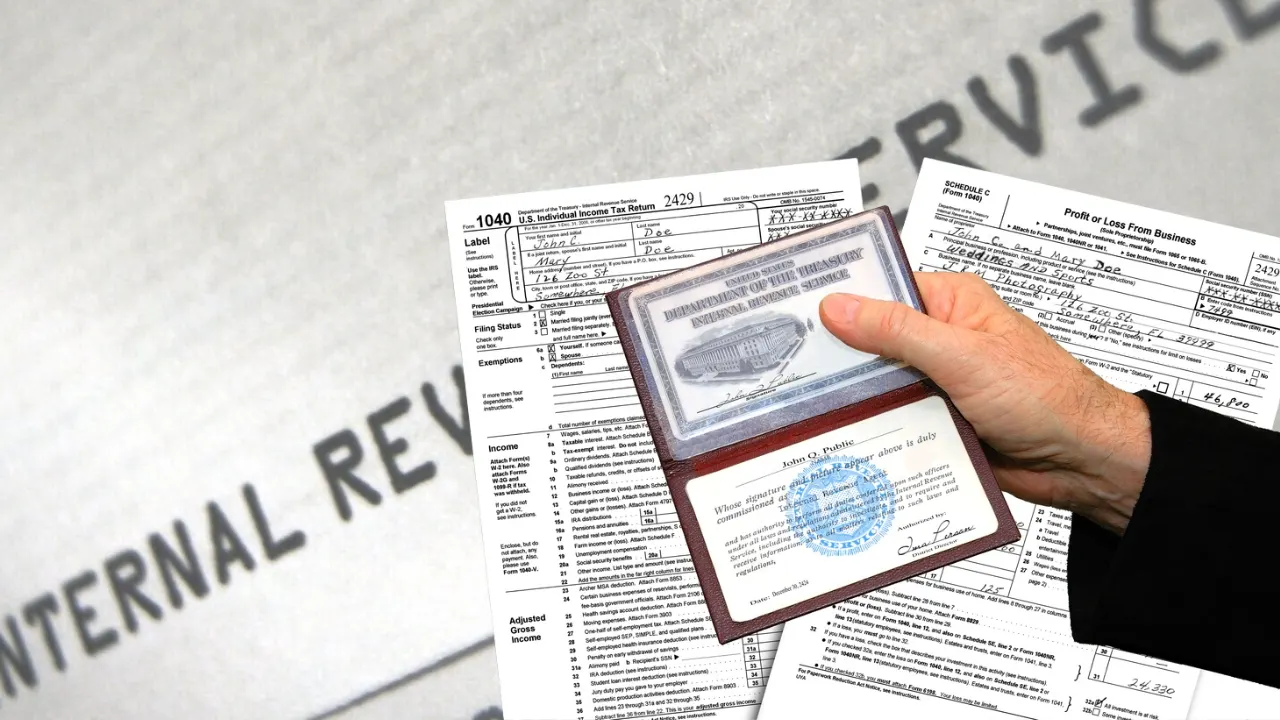
For most Americans, the IRS is something they deal with through mail, email reminders, or online portals, not a knock at the door. But with the IRS ramping up its enforcement efforts, officials are now warning that taxpayers who ignore key notices, especially the mandatory Letter 725-B, could soon face an in-person visit from a revenue officer.
This shift has sparked confusion and concern about what these visits mean, how they work, and whether the person at the door is even legitimate. The IRS is making it clear that these visits aren’t random, and there are critical steps you need to take to avoid them.
What is Letter 725-B and Why Is It Important?
Letter 725-B is a mandatory communication sent by the IRS that outlines unresolved tax issues. The letter serves as an official notice of an impending review, such as missing returns, unpaid balances, or discrepancies in your tax filings. If this letter arrives in your mailbox, it is not optional—it demands your attention. Failure to respond to the letter or ignoring it will not stop the process. In fact, it guarantees that a revenue officer will eventually show up at your door.
| Key Points About Letter 725-B | Details |
|---|---|
| Purpose | Official notice of unresolved tax issues, such as missing returns or unpaid balances. |
| Action Required | Respond to the letter to avoid in-person visits. |
| Consequences of Ignoring | Unresolved issues may lead to a physical visit from an IRS revenue officer. |
What IRS Officers Are Actually There to Do?
Despite the public anxiety surrounding federal agents arriving unannounced, the IRS insists that these visits are not as dramatic as they might seem. The primary objective of these visits is to gather missing documents, clarify outstanding issues, and establish or adjust payment plans for taxpayers who owe money. These are informational meetings, not attempts to seize property or demand immediate payments.
The meeting could take place at your residence, a business, or an IRS office. If you prefer, you can request an alternative location for the meeting. It’s important to know that taxpayers are not obligated to let agents enter beyond the immediate point of contact, which is often the doorstep or a designated meeting space.
“While these visits may seem intimidating, the primary goal is to resolve outstanding issues and assist taxpayers in addressing their tax obligations,” says James Holloway, a tax expert. “It’s a far less dramatic process than many fear.”
Verifying Legitimate IRS Officers
In light of increasing scams targeting taxpayers, the IRS has stressed the importance of verifying any revenue officer who visits your home. Every IRS officer must present an official HSPD-12 identification card, which includes a photo and serial number. If an agent refuses to show their ID, or if the agent asks for payment through unconventional methods like gift cards or cryptocurrency, they are not legitimate IRS employees.
If you suspect fraud, call the IRS directly at 800-829-1040 to verify the situation.
Why the Crackdown Feels Different This Time?
Historically, federal tax enforcement has occurred mainly via mail or online notifications, and home visits have been rare. This shift to in-person visits marks a change in approach for the IRS. These visits will only occur after repeated attempts at contacting a taxpayer have failed, and they are reserved for cases where the taxpayer has unresolved issues, such as unpaid taxes, missing filings, or discrepancies.
Letter 725-B is crucial in this new enforcement effort. It’s a warning letter that outlines the reason for contact, the scheduled meeting time, and the assigned revenue officer’s contact information. Ignoring the letter will only make matters worse, as it guarantees a follow-up visit from an IRS officer.
How to Avoid In-Person Visits?
Tax professionals emphasize that responding promptly to the notice is the best way to avoid an in-person visit. Additionally, keeping your documentation organized and requesting an official payment plan for any outstanding balances will help you manage the situation effectively. By taking these steps, you can avoid penalties, interest charges, and unwanted visits from federal agents.
| Steps to Avoid IRS Visits | Details |
|---|---|
| Respond to Letter 725-B promptly | Ignoring the letter guarantees a follow-up visit. |
| Keep documentation organized | Ensure all tax records are up-to-date and accurate. |
| Request a payment plan | If you owe money, request a payment arrangement to avoid further issues. |
“Responding quickly and keeping organized records is the key to staying ahead of the IRS,” says Susan Goldstein, a certified public accountant. “Taxpayers who take these actions will avoid unnecessary penalties and in-person visits.”
The Importance of Staying Proactive
As the IRS modernizes its enforcement tools, the role of the ordinary taxpayer is changing. The agency is targeting individuals who have unresolved tax issues and who have failed to respond to previous communications. The increase in physical visits is part of a broader strategy to resolve these outstanding issues more efficiently.
While this crackdown may feel different, the solution remains simple: be proactive. Respond to official notices, ensure you file your returns on time, and address any discrepancies before they escalate. The IRS is not out to punish taxpayers but rather to work with them to ensure tax compliance.
Conclusion
While the thought of IRS revenue officers showing up at your door may seem alarming, these visits are part of a targeted effort to resolve outstanding tax issues. Letter 725-B is the official warning, and responding promptly will help you avoid unnecessary penalties, interest, and in-person visits from IRS agents. Always ensure you verify the legitimacy of any agents that show up at your door, and remember that staying proactive with your tax filings and payments is the best way to keep things under control.
FAQs
What is Letter 725-B, and why did I receive it?
Letter 725-B is a mandatory notice from the IRS that outlines unresolved tax issues, such as missing returns or unpaid balances. It serves as a warning that failure to address these issues may result in an in-person visit from a revenue officer.
What should I do if I receive Letter 725-B?
You should respond to the letter promptly, organize any necessary documentation, and, if applicable, request an official payment plan. Ignoring the letter can lead to a visit from an IRS officer.
How do I verify if an IRS agent is legitimate?
An IRS agent must present an official HSPD-12 identification card with a photo and serial number. If they ask for payment via unconventional methods like gift cards, they are not legitimate.
Can I refuse an IRS officer’s visit to my home?
While you are not obligated to allow the agent to enter your home, you must cooperate with them and engage in the meeting. You can also request to change the meeting location.
How can I avoid in-person visits from the IRS?
To avoid in-person visits, respond promptly to any notices, keep your tax documents organized, and request a payment plan if necessary.