
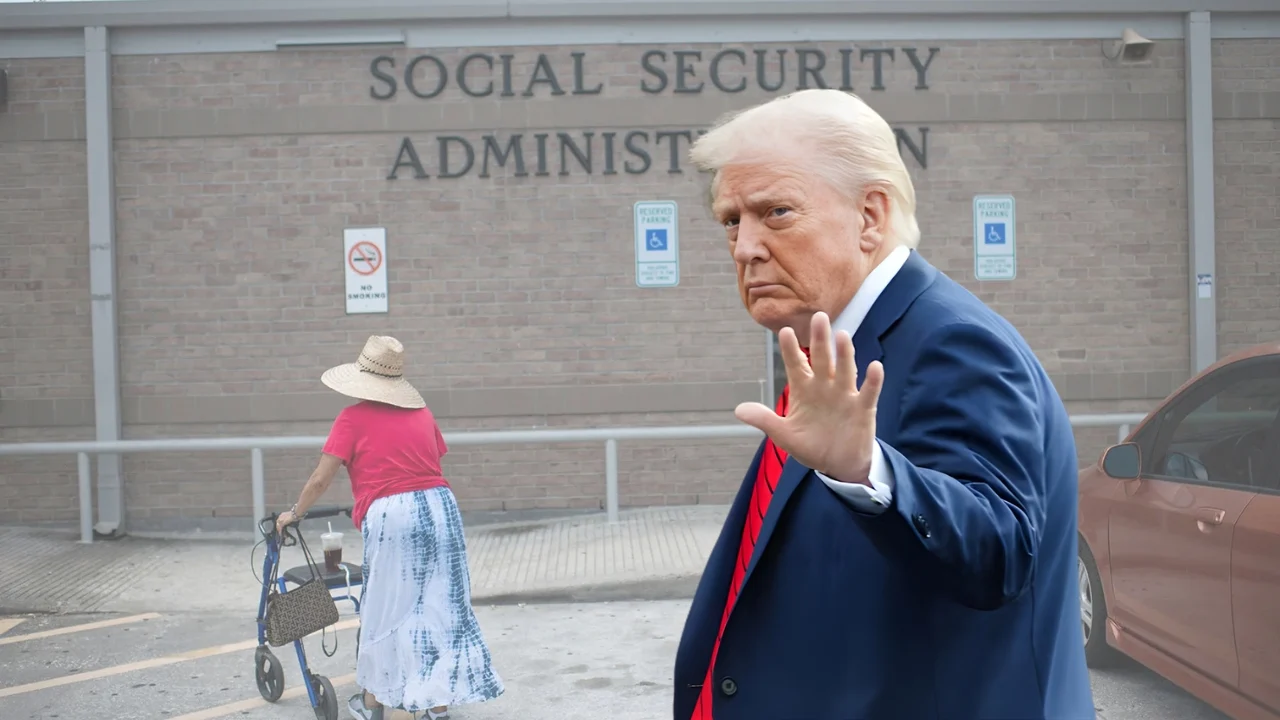
The dream of retiring at 67 may soon be a thing of the past. A new proposal under discussion for Social Security may push the full retirement age to 69, significantly changing how Americans approach their retirement plans. This shift could have profound implications for future retirees, particularly as the aging population continues to grow, and Social Security’s solvency becomes a critical issue.
A Change That Could Affect Millions
The age at which individuals can claim full Social Security benefits has gradually increased over the years. For those born in 1960 or later, the full retirement age is currently 67. However, lawmakers are now considering a proposal to raise the full retirement age to 69, a move that would likely affect everyone born after 1960. The proposal comes as a response to the growing financial strain on the Social Security system, which faces a funding shortfall as the baby boomer generation moves into retirement.
According to the Social Security Administration (SSA), by 2034, Social Security’s trust funds are projected to run out unless changes are made. In such a scenario, Social Security payments will be reduced unless Congress acts to ensure the program’s long-term viability. As such, many experts argue that raising the full retirement age is a necessary step to address these issues.
“Raising the full retirement age would help slow down the depletion of Social Security funds and make the system more sustainable in the long run,” said Dr. Jeffrey Kling, an economist at the Urban Institute. “However, it would significantly affect the retirement plans of millions of Americans, especially those who rely on Social Security for a substantial portion of their retirement income.”
Impact of Raising the Full Retirement Age to 69
| Birth Year | Current Full Retirement Age | Proposed Full Retirement Age (Age 69) | Social Security Claiming Age (62-69) | Effect on Benefits |
|---|---|---|---|---|
| Before 1960 | 66 or 67 (varies) | N/A | Early Retirement: 62 (reduced benefits) | No Change – Benefits remain at current full retirement age |
| 1960 and After | 67 | 69 | Early Retirement: 62 (reduced benefits) | Claiming full benefits pushed to age 69 (reduced benefits at 62) |
| 1961-1965 | 67 | 69 | Early Retirement: 62 (reduced benefits) | Delayed claiming full benefits by 2 years |
| 1966 and Beyond | 67 | 69 | Early Retirement: 62 (reduced benefits) | Delayed claiming full benefits by 2 years |
Key Points to Consider:
- Current Full Retirement Age: As it stands, the full retirement age is 67 for anyone born in 1960 or later. However, the proposed legislation would increase this age to 69.
- Impact on Benefits: For those who decide to claim Social Security benefits before the full retirement age, benefits will be reduced. The current system allows early retirement at age 62, but with a penalty. With the proposed change, full benefits would be available only at age 69, and early claimers would still face reduced benefits, but they may be able to work longer to compensate for the loss in income.
- Longer Work Life: The proposed increase in the retirement age would mean many Americans would have to stay in the workforce longer than they anticipated, which could affect personal savings, employment plans, and lifestyle choices.
Why the Age 69 Proposal?
The rationale behind the proposed increase in the retirement age is based on several factors, with the primary one being the increasing life expectancy of Americans. In 1940, the average life expectancy was just over 60 years, meaning retirees could expect to live a few short years after leaving the workforce. Today, life expectancy has risen to around 79 years, with many people living into their 80s and beyond.
In theory, raising the full retirement age would align Social Security benefits with longer life expectancies, ensuring that people who live longer continue contributing to the program for a longer period. However, this change would also mean that individuals would need to work for an additional two years before they could claim their full benefits.
“The increase in life expectancy is a key factor in considering the full retirement age,” said Sarah Hull, policy director at the AARP Public Policy Institute. “However, we must also consider the economic realities faced by people who may not be able to physically or financially continue working at an older age.”
The Impact on Current and Future Retirees
The proposed increase in the full retirement age to 69 would primarily affect people in their 40s and younger, who have yet to reach the age where they can claim full Social Security benefits. For current retirees or those nearing retirement, the impact would likely be minimal, as many individuals have already planned around the 67 age threshold.
However, for future retirees, the changes could have a profound effect on both their retirement plans and their overall financial health. Individuals who were planning on retiring at 67 would now have to work for an additional two years, potentially altering their savings strategies, delaying the start of their retirement, or pushing back other financial goals.
Key Effects on Future Retirees:
- Delay in Benefits: The new proposal would require individuals to delay claiming full Social Security benefits until the age of 69. While early retirement is still possible at age 62, those who retire early will see their monthly benefits reduced by as much as 30%.
- Longer Work Years: Many individuals who have already planned their retirement for age 67 will be forced to adjust their expectations. This could lead to delays in retirement savings or even result in some workers needing to work longer in physically demanding jobs.
- Higher Stress for Older Workers: For workers in physically taxing jobs, extending the retirement age to 69 may pose challenges. Individuals in manual labor or healthcare may struggle to continue working longer than expected, which could lead to health concerns, burnout, or even the inability to maintain employment.
How Will It Affect Retirement Planning?
For many Americans, Social Security benefits serve as the foundation of their retirement plans. With the potential increase in the retirement age, individuals may need to rethink their financial strategies. For example, workers nearing retirement age may need to delay their retirement plans to ensure that their benefits are maximized.
“Raising the retirement age could also push people to rely more heavily on private savings, such as 401(k)s or IRAs, and delay the need to tap into Social Security,” said Rick Generoso, a financial planner at Fidelity Investments. “The shift will force many people to extend their work life or increase their personal savings rates.”
Potential Alternatives to Raising the Retirement Age
While raising the retirement age may seem like a straightforward solution to Social Security’s financial challenges, critics argue that it’s not the only option. Some suggest that a combination of reforms might be necessary, such as increasing the payroll tax rate, raising the cap on taxable income, or adjusting the way benefits are calculated for high-income earners.
In fact, many advocates for seniors argue that raising the retirement age unfairly impacts lower-income workers, who may not live long enough to benefit from a higher retirement age due to health disparities and lower life expectancy. In a 2017 report, the Government Accountability Office (GAO) found that people in the lowest income brackets tend to live shorter lives, meaning that a higher retirement age could disproportionately harm these individuals.
FAQs
Who would be affected by the increase in retirement age to 69?
The proposal would primarily impact individuals born after 1960, as they would not be able to claim full benefits until they reach age 69. Those born before 1960 would not be directly affected.
How will this change impact my retirement benefits?
If the proposal passes, you would need to wait until age 69 to receive your full Social Security benefits. Early retirement at age 62 would still be an option, but your benefits would be reduced by about 30%.
What are some alternatives to raising the retirement age?
Some experts suggest alternatives such as increasing the payroll tax rate, raising the cap on taxable income, or modifying how benefits are calculated for higher earners.
Can people still retire before 69?
Yes, early retirement will still be allowed starting at age 62, but you will receive reduced benefits. The longer you wait to claim your benefits, the higher the monthly payout will be.