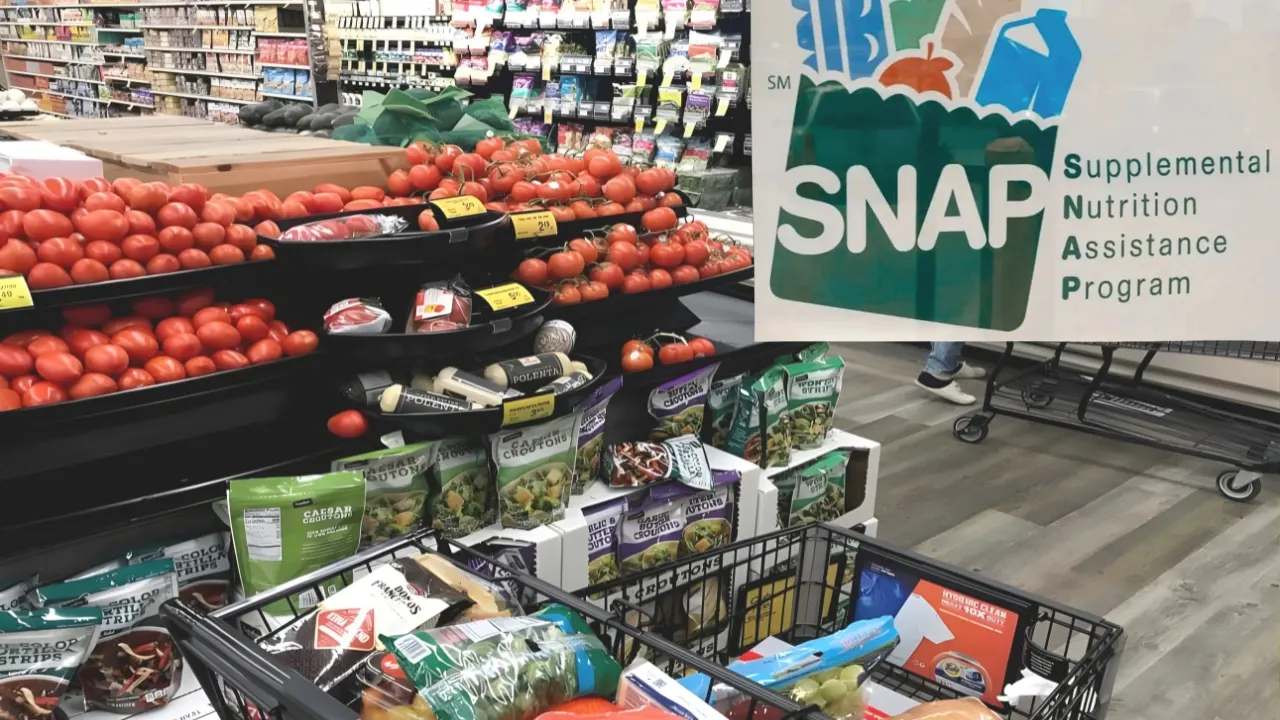
Millions of low‑income Americans rely on the Supplemental Nutrition Assistance Program (SNAP) to help cover the cost of groceries each month. SNAP benefits, previously known as food stamps, are loaded onto Electronic Benefit Transfer (EBT) cards and can be used in most grocery stores to buy food items that meet the program’s requirements. SNAP supports about 42 million people nationwide.
Recently, a significant policy change has been approved that will affect nearly 3 million SNAP recipients living in six states starting in 2026. The U.S. Department of Agriculture (USDA) has approved waivers for these states to restrict the types of food items that beneficiaries can purchase using SNAP funds.
These new restrictions are part of the federal Make America Healthy Again (MAHA) initiative, which aims to focus SNAP benefits more narrowly on nutritious foods and reduce diet‑related chronic diseases such as diabetes and obesity.
“President Trump has made it clear: we are restoring SNAP to its true purpose, nutrition. Under the MAHA initiative, we are taking bold, historic steps to reverse the chronic diseases epidemic that has taken root in this country.” — USDA Secretary Brooke Rollins on the policy changes.
What the Change Means?
Under the newly approved rules, participating states will modify their definition of “food for purchase” under SNAP. This means that certain items generally viewed as junk food such as sugary drinks, candy, energy drinks, and other highly processed foods will be excluded from the list of eligible purchases with SNAP benefits. Exact restrictions vary by state, but they are expected to target foods high in added sugars, fats, and calories that are low in nutritional value.
| Restricted Items | Examples |
|---|---|
| Sugary beverages | Sodas, energy drinks, sweetened juices |
| Candy and confectionery | Chocolate bars, gum, lollipops |
| Prepared desserts | Cakes, cookies, pies |
| Certain snack foods | Chips, sugary granola bars, candy bars |
The policy is controversial. Supporters say it encourages healthier food purchases and helps prevent chronic illness among low‑income populations. Critics argue that limiting what recipients can buy with SNAP benefits is restrictive and does not address bigger issues like food deserts, limited healthy food access, and low overall benefit levels.
Which States Are Affected?
The six states that recently received USDA approval to impose junk food purchase restrictions under SNAP beginning in 2026 are:
| State |
|---|
| Hawaii |
| Missouri |
| North Dakota |
| South Carolina |
| Tennessee |
| Virginia |
These states join an earlier group of 12 other states that have already adopted similar waivers or restrictions. Examples of that group include Arkansas, Colorado, Florida, Idaho, Indiana, Iowa, Louisiana, Nebraska, Oklahoma, Texas, Utah, and West Virginia.
In total, around 18 states will allow SNAP benefit restrictions on junk food purchases starting next year.
How Many People Are Impacted?
An estimated 3 million SNAP recipients across the six newly approved states will be affected by these changes. Most of these individuals and families use SNAP benefits to help make ends meet on a tight food budget. The Center on Budget and Policy Priorities provided the estimate of those impacted by the new state waivers.
Keep in mind that SNAP as a whole supports many more Americans about 42 million people across the U.S. receive benefits each month, with less than 10 percent of them living in the states adopting junk food bans in this latest round of changes.
What Items Could Be Restricted?
Although specifics vary by state, many of the SNAP junk food purchase restrictions will likely include:
| Category | Examples of Items |
|---|---|
| Sugary beverages | Sodas, energy drinks, sweetened coffee and teas |
| Candy and sweets | Chocolate, gummies, mints, hard candy |
| Processed snacks | Potato chips, sugary granola bars, cookies, popcorn |
| High-fat processed foods | Packaged fried foods, sugary cereal |
Some states may focus mainly on drinks, while others could adopt broader bans covering multiple categories of processed foods.
Why These Changes Are Happening?
The SNAP junk food purchase restrictions are being driven by public health goals. Federal officials involved in approving the waivers frame the changes as an effort to encourage healthier eating habits among SNAP recipients and reduce long‑term health costs associated with diet‑related diseases.
Proponents say that by steering benefit dollars toward nutritious foods like fruits, vegetables, lean proteins, and whole grains, SNAP can better fulfill its original purpose of promoting food security and nutrition.
Opponents argue that restricting purchases may stigmatize SNAP recipients, limit personal choice, and fail to account for structural barriers to healthy eating, such as lack of access to affordable healthy foods in some communities.
What SNAP Recipients Need to Know?
If you live in one of the six states adopting the new restrictions, here are a few key points:
| Key Points for SNAP Recipients | Details |
|---|---|
| Timing | Most changes will take effect on January 1, 2026. |
| Items still eligible | You can still use SNAP to buy most groceries like milk, eggs, produce, and meat. |
| State variation | Check with your local state office for specific details on what will be restricted. |
| Benefit use | Restrictions only apply to certain food items, not to all purchases. |
Broader SNAP Policy Context
These junk food purchase restrictions are part of a wider set of changes and debates surrounding SNAP policy in recent years. SNAP has faced scrutiny both for benefit levels and eligibility rules, including debate over tightening or relaxing various eligibility requirements and changes to work requirements for able-bodied adults without dependents.
At the same time, federal budget legislation and policy proposals have raised questions about SNAP funding levels and how benefits are calculated and distributed.
Public Response and Debate
Opinions on the SNAP junk food bans vary widely:
“I think encouraging healthier options is a great goal, but SNAP restrictions on what people can buy may not be the right approach.” A SNAP recipient in Virginia reacting to the changes.
Public health voices support the initiative for its focus on nutrition, while advocacy groups for low‑income families caution that restrictions alone do not solve underlying food access and affordability challenges.
What Happens Next?
As 2026 begins, affected states will roll out their specific guidelines and lists of prohibited items. SNAP recipients in those states should receive announcements from their local SNAP offices or state agencies directing them to updated benefit use rules.
Meanwhile, additional states may apply for similar waivers in the future, potentially expanding this policy trend across more parts of the country.
FAQs
What is SNAP?
SNAP stands for Supplemental Nutrition Assistance Program, a federal nutrition aid that helps low‑income individuals and families purchase food each month.
When do the junk food purchase restrictions take effect?
Most of the new restrictions will begin January 1, 2026, though exact dates may vary by state.
Who is affected by the changes?
An estimated 3 million SNAP recipients in six states will be directly affected.
What items might be banned from purchase with SNAP benefits?
Items likely to be restricted include sugary drinks, candy, energy drinks, and some processed desserts and snack foods.
Why are these changes being introduced?
Officials say the goal is to improve nutritional outcomes and reduce chronic diseases by limiting junk food purchases with public nutrition funds.